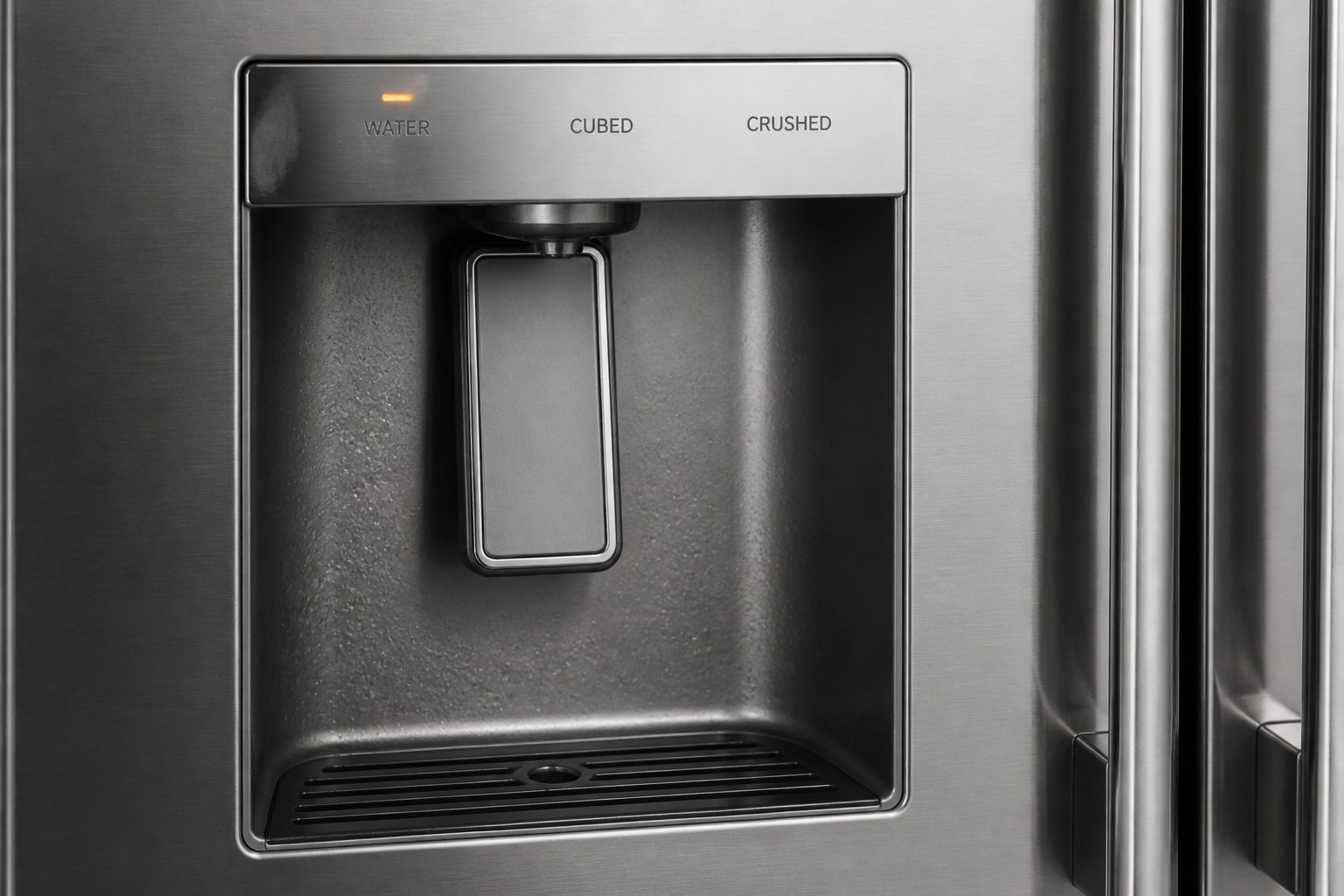
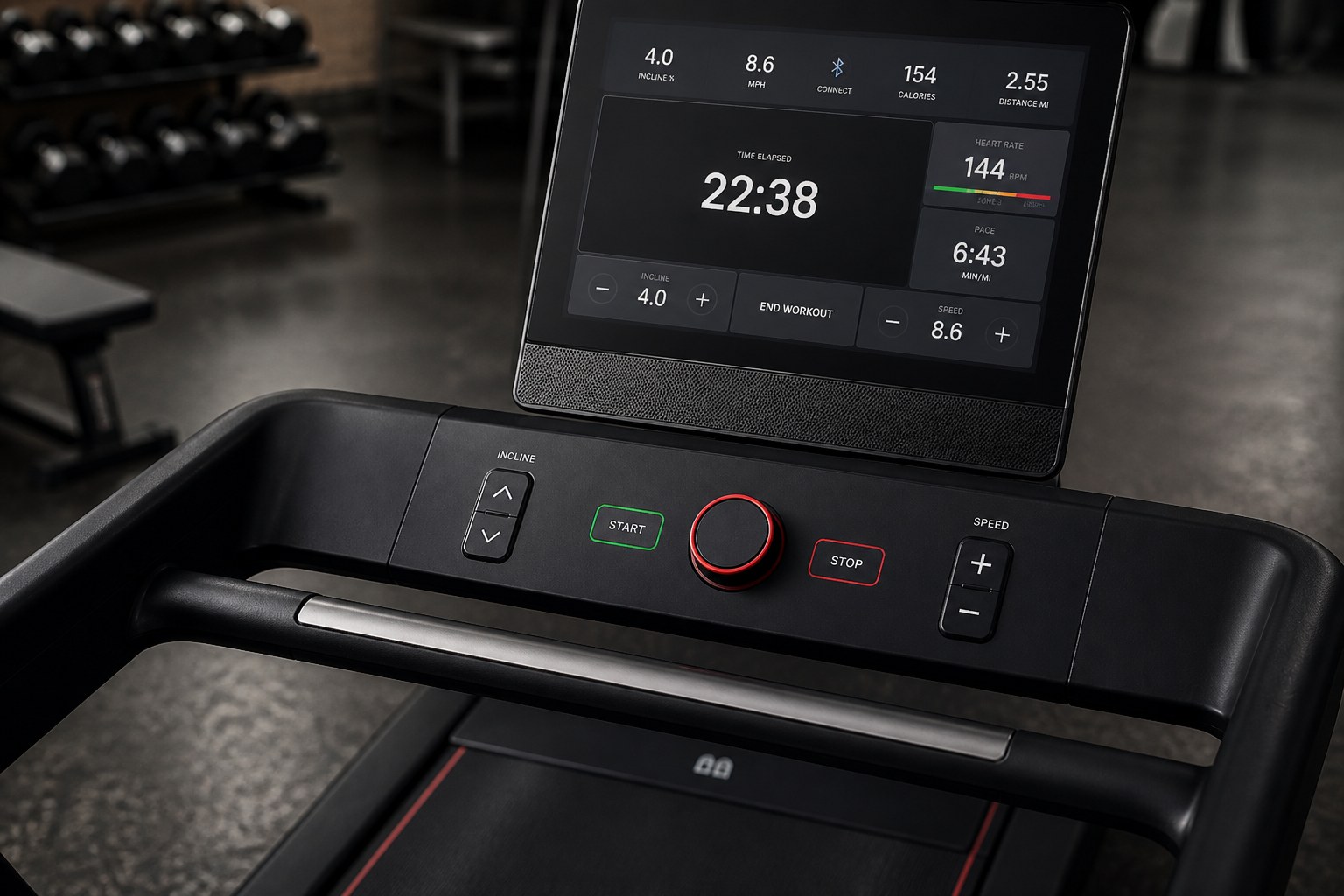
Walk the floor of any plant that has been running a few years and you will find it: a control panel where half the legends have worn away, so the operator works from memory and a new hire works from guesswork. The graphics failed while the machine kept going. On equipment, that is not a cosmetic problem. A legend that rubs off, a warning that fades, or a nameplate that peels is a safety and traceability issue, and it usually means the graphic was never built for the life the equipment actually lives. Industrial screen printing exists to prevent exactly that, which is why it is still the standard for the parts that have to survive.
Screen printing pushes a thick, controlled layer of ink through a stencil onto the surface. That heavy ink deposit is the whole reason the method suits equipment so well, and it is hard to match with lighter digital processes on many industrial substrates. But the ink film alone does not guarantee a graphic that lasts. The substrate, the ink system, and the finishing all have to match the environment the part will face, and that is where an experienced manufacturer earns the job. If you build equipment, or you own the graphics that go on it, here is what actually separates a marking that lasts from one you will be replacing in a year.
Why the thick ink film matters on equipment
Machinery graphics get read and touched constantly, wiped down with aggressive cleaners, and exposed to oils, coolants, and sunlight through a plant window or an outdoor install. A thin printed layer wears through at the edges and the high-contact points first, and those are exactly the spots where a legend or a warning has to stay sharp. The heavier deposit screen printing lays down gives those high-wear areas more material to lose before legibility suffers. That is not marketing. It is the physical reason the method has held its place on durable industrial marking while lighter processes took over elsewhere.
Durability is designed in before the first screen is made, though, not added at the end. The same graphic can pass or fail depending on whether the ink was matched to constant handling, the substrate was rated for the chemicals it will meet, and the finish was chosen for the temperature and cleaning the part will see. A control overlay that lives indoors under an operator's hands needs a different build than a rating plate bolted to a machine that runs outdoors. Matching those choices part by part, rather than applying one recipe to everything, is the difference between a supplier and a print shop. Our screen printing line is built around that kind of matched, repeatable production rather than one-size output.
Getting a graphic that survives the floor
Registration and legibility are their own discipline on equipment. Control legends have to line up precisely with the switches and indicators they label, and small type has to stay crisp so an operator can read it at a glance under real plant lighting, not showroom lighting. That comes from tight registration on press and from artwork built at the right sizes and contrast for the actual viewing distance. You make it far easier to hold when you supply clean vector files with clearly defined colors and legend positions, so the shop is reproducing your intent rather than interpreting it.
Finishing carries the durability the rest of the way. Depending on the part, a screen-printed graphic may get a protective hardcoat, a laminate, or an embossed texture for a tactile membrane switch, and each of those has to be compatible with the ink and substrate beneath it. Handled in one facility, those layers stay matched and the process stays controlled from print to packout. Split across vendors, that is where a graphic that looked fine at delivery starts to delaminate three months in. The point of a manufacturing partner is that the durability you specified is the durability that ships.
Many industrial graphics also carry regulatory weight, from equipment labels expected to meet recognized durability standards to safety markings that follow established formats for hazard communication. Standards such as UL 969 for label durability and the ANSI Z535 family for safety sign design come up often in this work. We treat those requirements as part of the spec rather than an afterthought, but the standard that applies is driven by your product and your industry, so the specific requirement should be confirmed with your compliance team before production rather than assumed from a general rule. Building the material and artwork around the correct standard from the start is far cheaper than discovering a mismatch after ten thousand parts are printed.
Consistency is the part that pays off later
Equipment builders rarely order a graphic once. You order in batches as you build machines, and every batch has to match the ones before it so a line of equipment looks uniform in the field and carries consistent markings. That makes repeatability as important as the quality of the first run. A manufacturer who retains your screens, inks, and color standards can reproduce a part months or years later without re-solving the setup, which protects both your appearance and your schedule. Treating the first run as the master for everything that follows is the mindset that keeps a long-running program consistent instead of drifting batch by batch.
That repeatability is exactly what our industrial equipment and machinery manufacturers rely on, some of them for over two decades of monthly reorders. The graphic that reads clearly on day one still reads clearly after years on the machine, because the build was right and the reorder came off the same controlled process. If you want the broader logic of how environment should drive material choice, we laid it out in our guide on choosing graphics that survive real-world conditions, and it applies directly to anything bolted to a machine.
Operator interfaces are their own case worth calling out. A membrane switch or a control overlay is not just a printed graphic, it is a part someone presses thousands of times, so it has to combine legibility, a durable printed surface, and often a tactile response that survives the wear. That is a build problem, not a print problem. The graphic layer, the substrate, any embossing, and the finish all have to work together so the legend stays readable and the button still feels right after a year on the floor. When those pieces are printed and finished by the same shop that understands how they stack, the interface holds up. When they are split across vendors who each own one layer, the seams are where it fails. A control interface is one of the few graphics a person physically operates, so it earns the most careful build of anything on the machine.
OEM programs also live and die on documentation, and it is worth confirming a supplier can produce it before you commit. Repeatable industrial work means the first article is approved against a spec, the materials are traceable, and later runs are checked back against that approved standard rather than eyeballed. For manufacturers who need lot traceability or first-article documentation to satisfy their own customers, that paperwork is not overhead, it is part of the product. A shop that treats a rating plate the same as a promotional decal will not have it. A partner built for manufacturing keeps the records because their other clients require the same discipline. Ask to see a sample record, and you will know within a minute whether a shop is built for OEM work or just willing to take it.
The cleanest way to specify a job is to describe the machine's world, not the graphic. Tell the shop where the part lives, what touches it, what cleans it, how hot it gets, and how long it has to last, and let the material and construction get chosen from those facts. A graphic destined for a coolant-soaked machining center gets a different build than one on a control cabinet in a climate-controlled room, even if the artwork is identical. That environment-first conversation is what separates a marking engineered for the job from one that merely looks right at delivery, and it is the step a price-driven order skips every time. It costs nothing but a few honest questions at the start, and it is the cheapest insurance you can buy on a part that has to last as long as the equipment it labels.
A worn-out panel is a small thing that signals a bigger one, which is a graphic bought on price instead of built for the job. Specify the substrate for the environment, the ink for the handling, the finish for the cleaning, and the standard for the compliance, and the marking becomes the part of the machine you never think about again. If you are building equipment that needs graphics to hold up in the field, that is the conversation worth having before the first run, not after the first failure.